Pivot Bio: Packaging Redesign
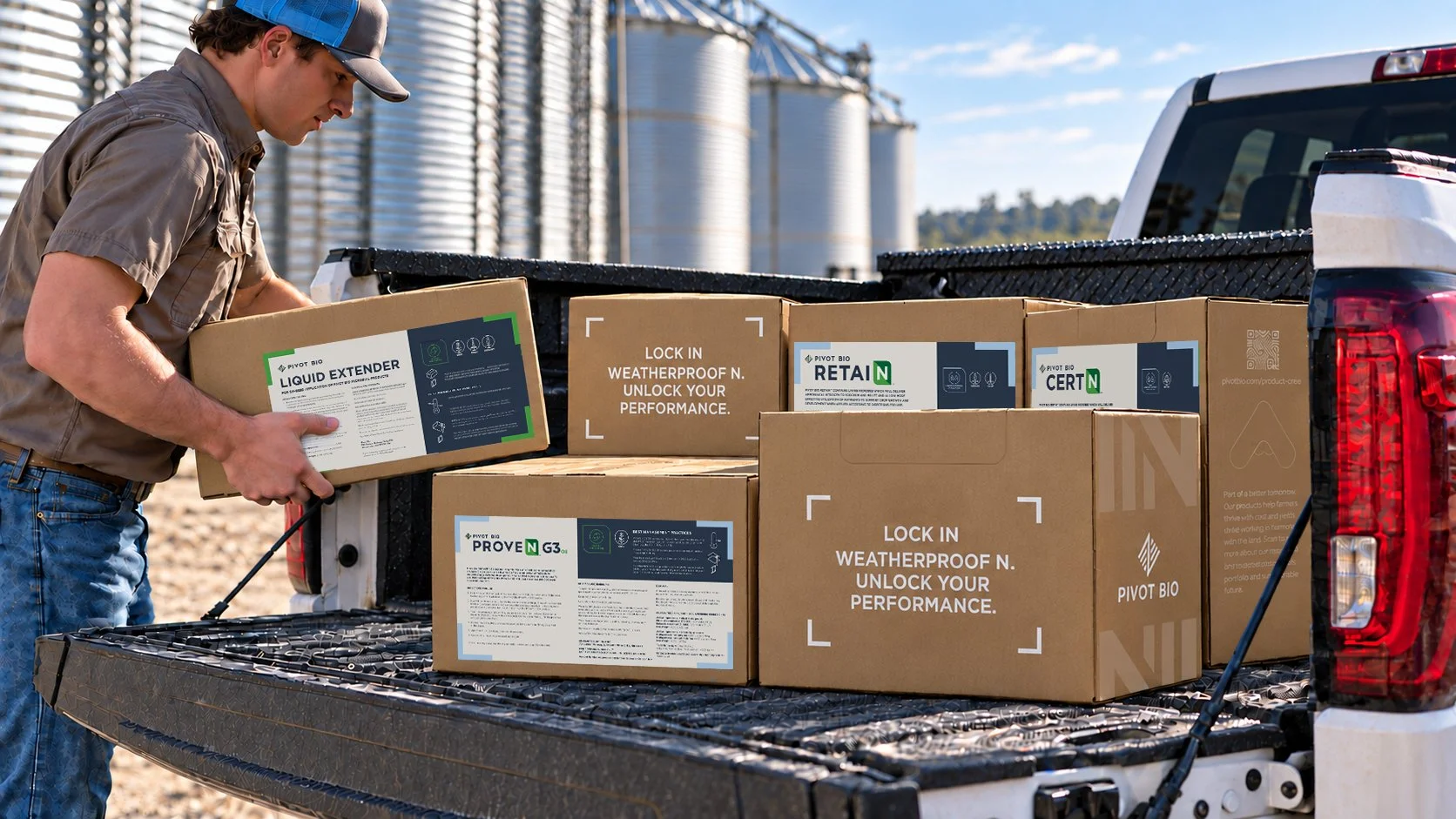
Pivot Bio’s portfolio had expanded rapidly across crops, formulations and application types. We partnered with its packaging lead to create a more flexible system—one that could simplify operations while making products easier to identify, store and use correctly.
THE CHALLENGE: A growing portfolio had outgrown its packaging.
Each product relied on dedicated packaging, creating an inventory of highly specific boxes that could become unusable as seasonal demand shifted. Pivot Bio needed a more sustainable system that could support a growing portfolio without sacrificing clarity in the facility or the field.
THE SOLUTION: Fewer boxes. Smarter labels. A clearer path to the field.
We developed a modular family of base cartons supported by product-specific labels. The system reduced packaging complexity while using color, iconography and clear information hierarchy to help people choose the right product, protect its living microbes and prepare it correctly for application.
THE TEAM: Jaclyn Phenicie (Creative Director), David Rygiol (Associate Design Lead), Will Sharpe (ACD-CW)

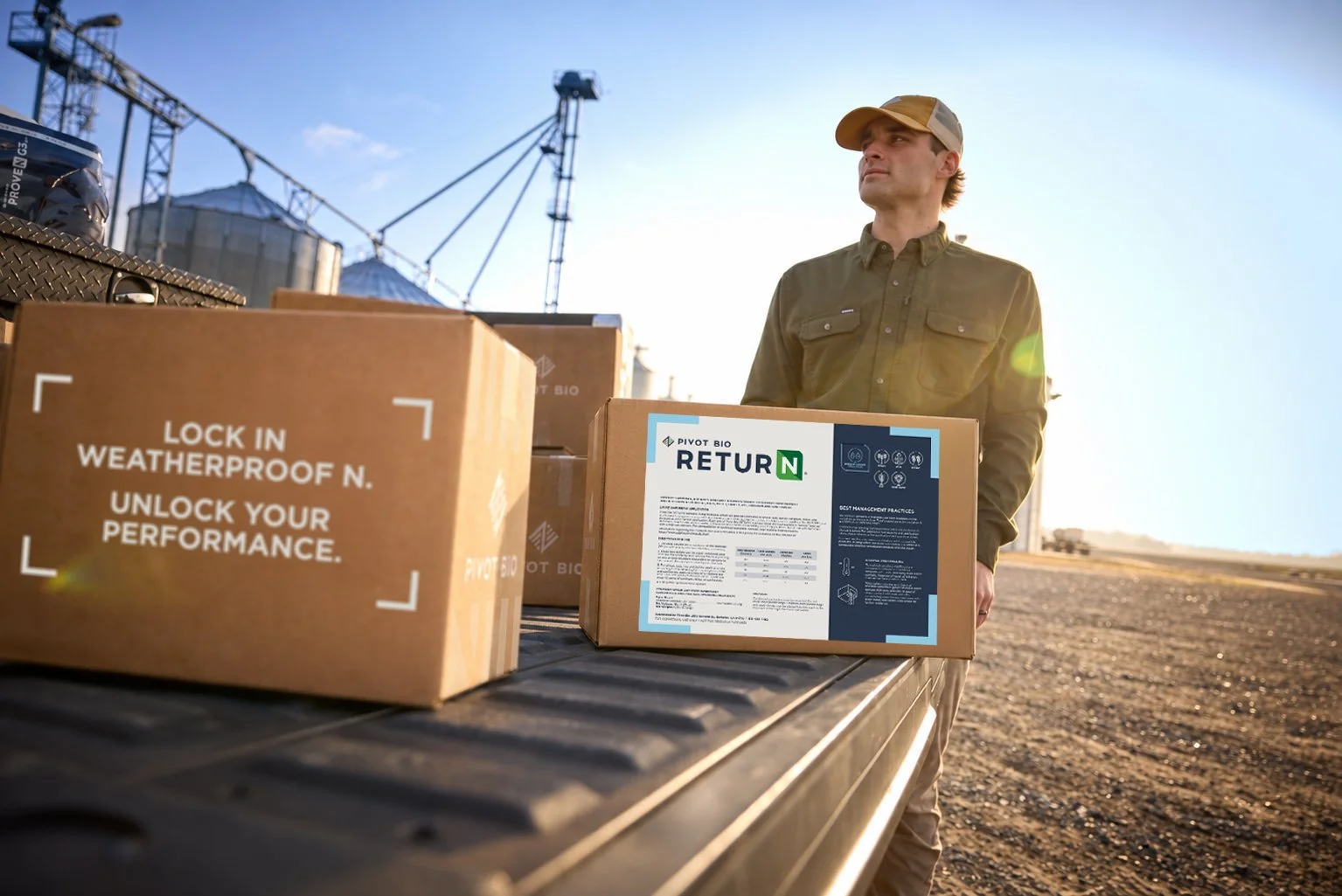
One System. Better at every hand off.
From packing and storage to selection and application
01
Flexibility at the facility
02
Finding the right product
at a glance
03
Protect performance
before the field
04
Expand without starting over
01: FLEXIBILITY AT THE FACILITY
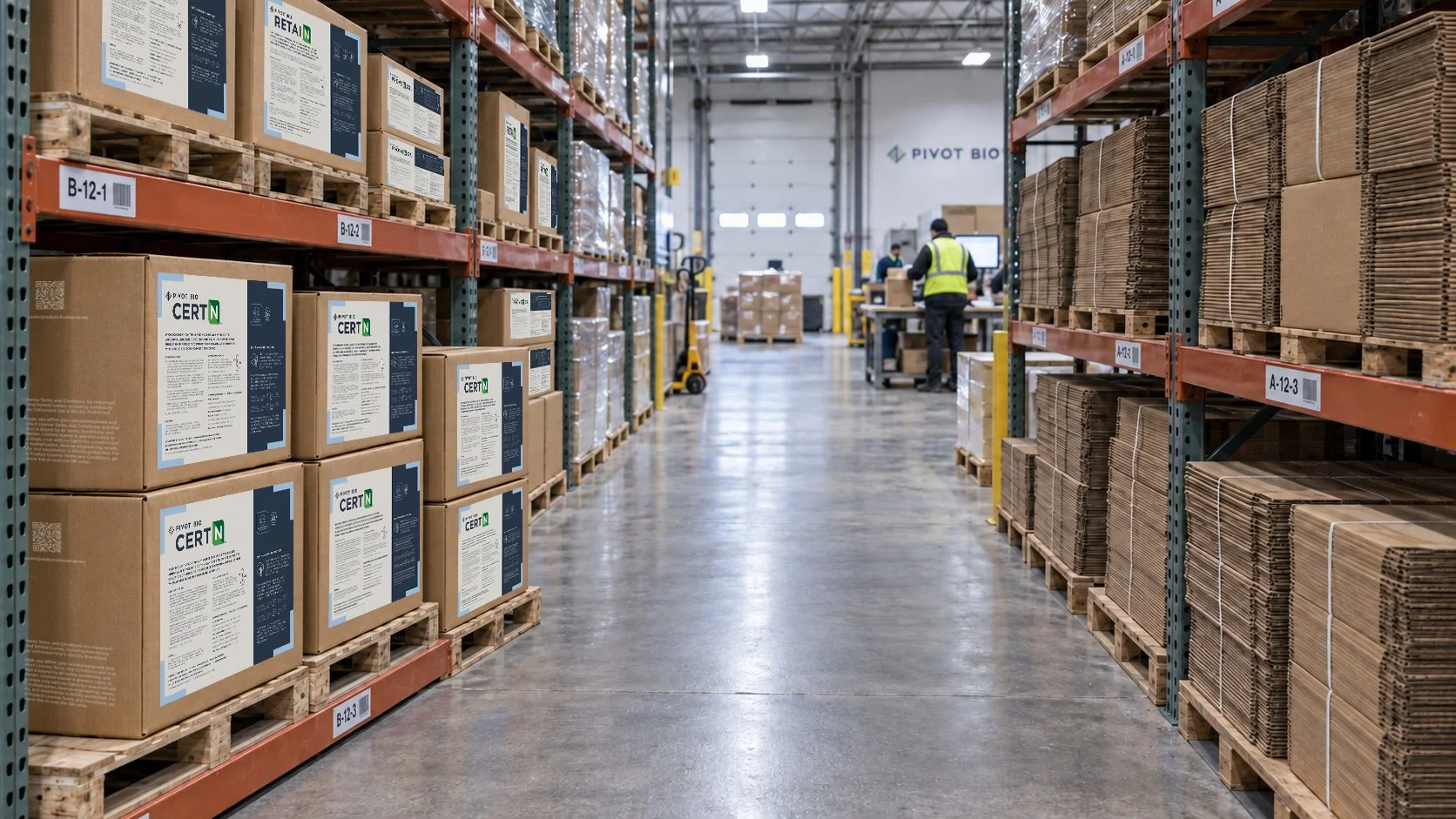
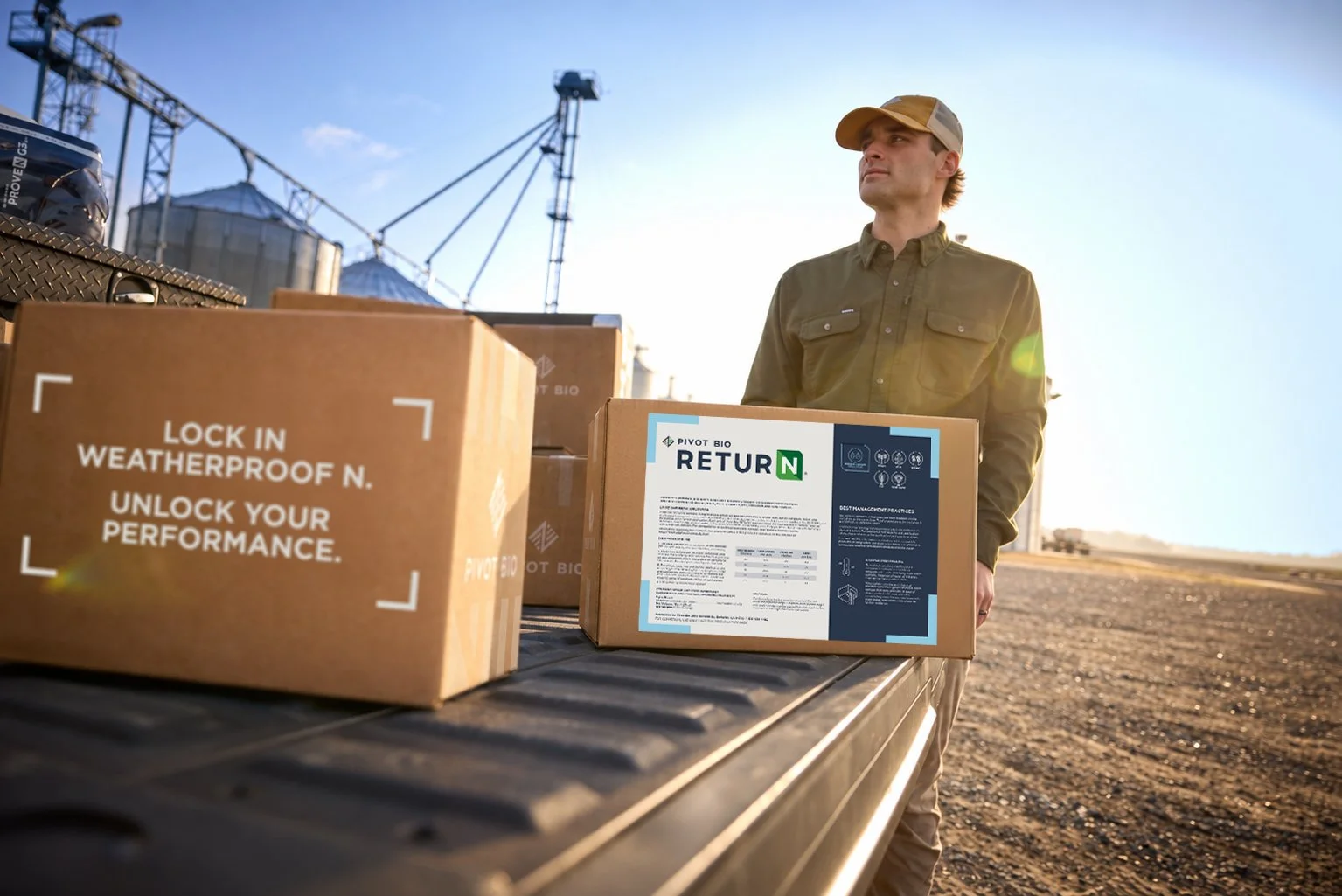
By shifting product variability from the carton to the label, Pivot Bio could use a limited number of base boxes across a much larger portfolio.
This reduced dependence on highly specific printed inventory, simplified storage and gave the packaging team more flexibility to respond as product demand changed from season to season.
The outer cartons used natural brown corrugate to reduce printing while reinforcing the sustainability story surrounding the product.
02. THE RIGHT PRODUCT, AT A GLANCE
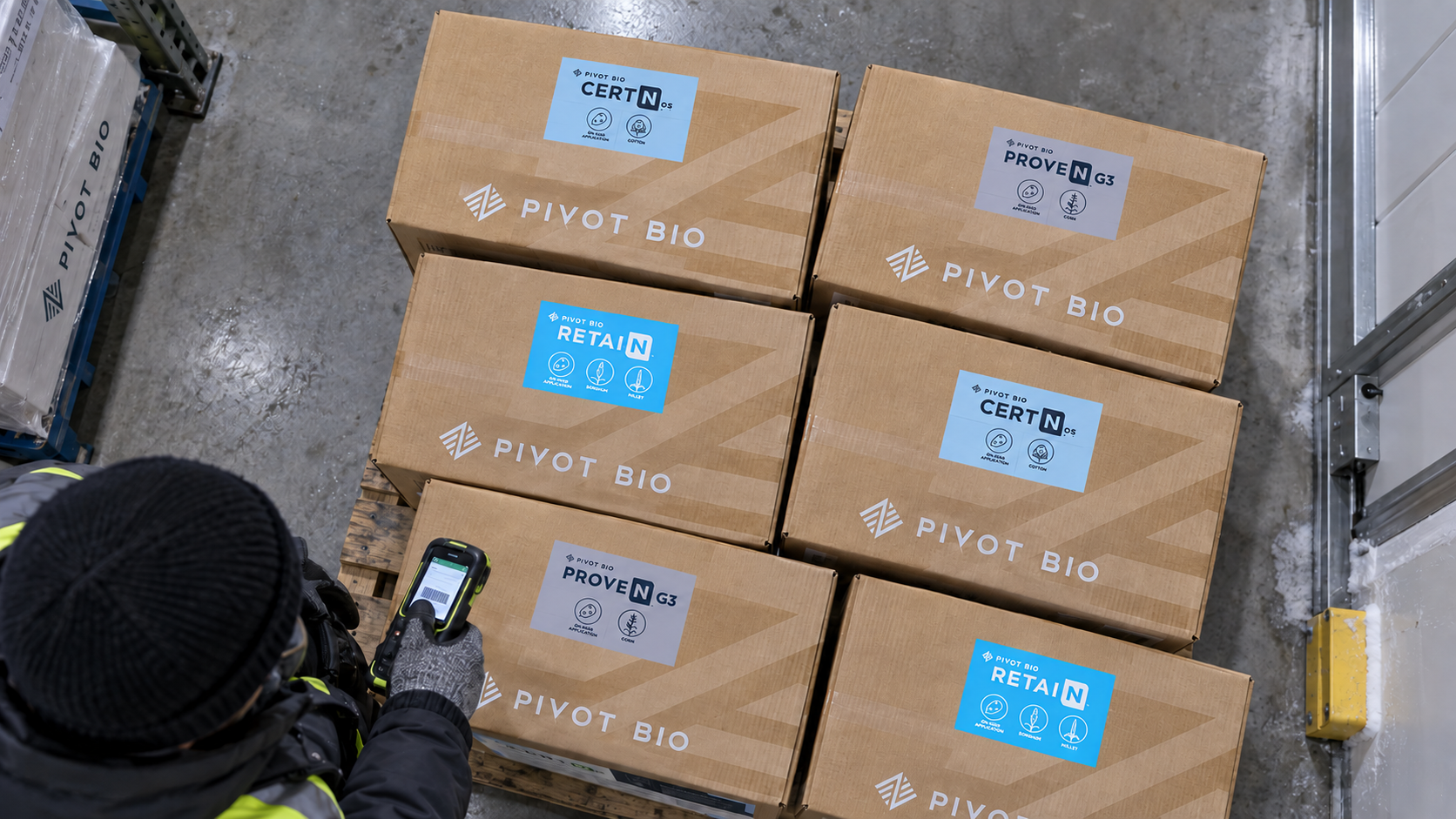
The first risk happens before a product is ever opened: someone grabs the wrong one.
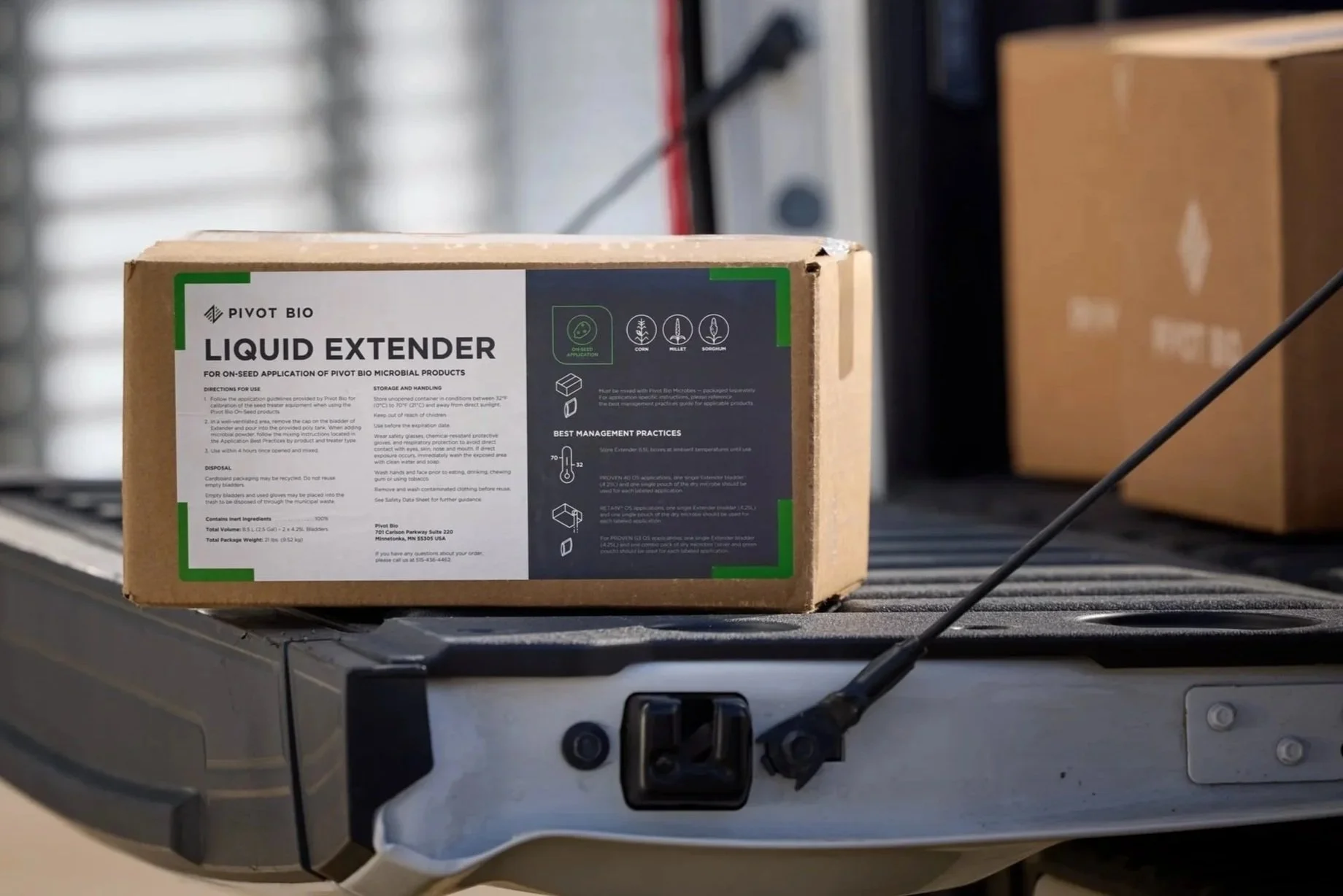
We created a color-coded top-label system to make products easier to distinguish when boxes were stacked or stored. Crop and application icons added another quick layer of recognition, helping field teams and farmers confirm that they had the right product for the job.
The system prioritized the information people needed in the moment—without requiring them to stop and read every detail.
03: PROTECTING A LIVING PRODUCT
Pivot Bio products contain living microbes. How they are stored and handled before application directly affects whether they can perform once they reach the field.
We treated the packaging as an extension of the product’s best-management-practice communications. A clear information hierarchy surfaced storage guidance first, then directed users to application-preparation information when they were ready for the next step.
Instead of asking farmers to search for critical instructions elsewhere, the package helped carry them through the process in the correct order.

04: DESIGNED FOR WHAT CAME NEXT
Because the system was built around shared packaging and adaptable labels, it could expand more efficiently as the portfolio grew.
New pouches, formulations and product extensions planned for 2027 could enter the system through a coordinated set of labels rather than requiring an entirely new box architecture each time.
What began as a packaging redesign became a scalable framework for future launches.

THE RESULT
The new system simplified inventory, storage and production for the packaging facility while giving field teams and farmers a clearer experience from selection through application.
The response from both groups was strongly positive: farmers appreciated how quickly they could identify and understand the product, while the packaging team gained a more streamlined system that was easier to manage and scale.
The package wasn’t simply a container for the product. It became the first step in helping that product perform.